

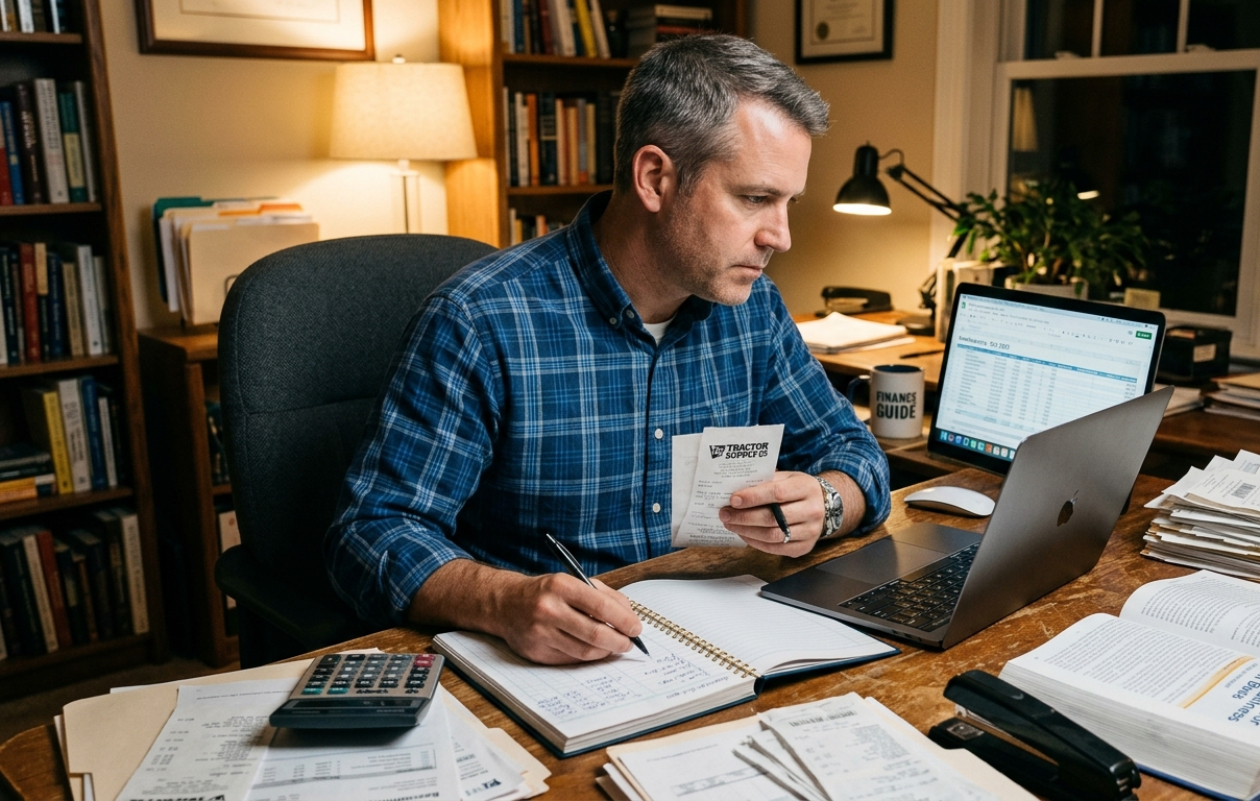
Good bookkeeping is one of the quiet essentials that separates stressed, reactive business owners from those who feel in control of their money and their growth. For UK freelancers and small business owners, it is not just “nice to have” – it is a legal requirement and a key protection against the cash flow problems that sink so many small businesses.
At its core, bookkeeping is simply the habit of recording every financial transaction your business makes in a clear, systematic way – every invoice raised, every payment received, every bill and every expense. When those records are kept up to date, they give you a current picture of your income, costs, profit and cash position, instead of leaving you guessing from your bank balance or memory. That visibility lets you spot which services or clients are truly profitable, where costs are creeping up, and when you might be heading for a tight month before it becomes a crisis.
Cash flow is a particular danger area: research shows that cash flow issues and late payments are a major reason UK small businesses struggle or fail, even when they look profitable on paper. Accurate bookkeeping supports cash flow management by tracking who owes you money, when invoices are due, and what commitments you have coming up, so you can plan ahead rather than reacting when the bank account runs low. In practical terms, that can be the difference between calmly covering VAT, tax and supplier bills – or scrambling for overdrafts and emergency loans at the worst possible time.
Good records are also a non‑negotiable part of staying on the right side of HMRC. If you are self‑employed, the government expects you to keep accurate records of all sales and income, all business expenses, VAT and PAYE records where relevant, and details of grants or other support you have received, so that you can correctly work out your profit and complete your tax return. These records generally need to be kept for several years, and HMRC can issue penalties if they are missing, inaccurate or cannot be produced when requested. For limited companies, there are additional duties around company and accounting records, making reliable bookkeeping even more important.
The good news is that “good bookkeeping” does not have to mean complex systems or accountancy jargon. For many new freelancers and micro‑businesses, a dedicated business bank account plus a simple spreadsheet or entry‑level accounting app is enough to start. What matters most is consistency: recording transactions regularly, keeping copies of invoices and receipts (paper or digital), separating business and personal spending, and reconciling your records with your bank statements on a routine basis.
This guide "Bookkeeping Basics" will walk you through those basics step by step – what to set up, what to keep, and how to build a short monthly routine – so that bookkeeping becomes a manageable habit instead of an annual headache. With a simple, reliable system in place from day one, you will be better equipped to make decisions, handle tax with confidence, and grow a business that supports you for the long term.
Read more and get started at Bookkeeping Basics
Comments ()